Reroofing Commercial & Industrial Buildings in NSW
Reroofing Commercial & Industrial Buildings in NSW: Why It Matters Now More Than Ever
What Is Commercial Reroofing – and Why Is It So Important?
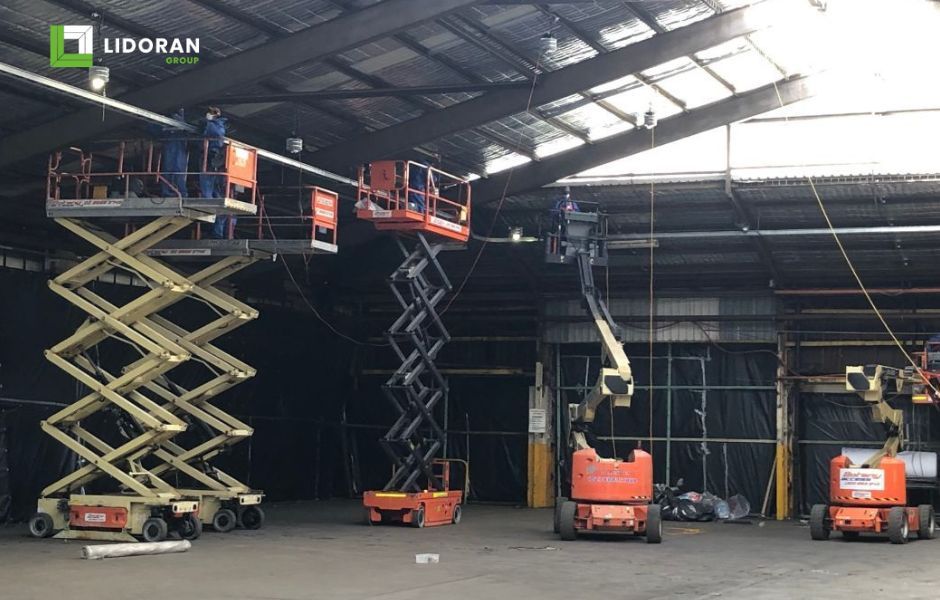
Commercial reroofing is the process of removing and replacing an existing roof system on an operating facility – warehouses, factories, logistics hubs, food production plants, schools, government assets and more. In many cases, the existing roof is:- At the end of its design life
- Leaking or corroding
- Built with asbestos-containing materials
- Failing to meet current performance or safety expectations
- Remove hazardous materials (like asbestos)
- Improve energy efficiency and comfort
- Reduce ongoing maintenance costs
- Extend the life and value of the building
- Demonstrate compliance and ESG performance
When Should a Commercial or Industrial Roof Be Reroofed?
You should seriously consider reroofing when one or more of the following applies:- The roof is 25–40+ years old
- Recurring leaks despite multiple repairs
- Visible corrosion, panel distortion, or tile failure
- The roof contains asbestos sheeting
- The building is being repurposed, expanded or sold
- WHS, regulatory or insurance requirements identify risks
Where Has Commercial Reroofing Been Happening? Key NSW Regions
Sydney
Significant reroofing and asbestos removal has taken place in older industrial corridors including:- Wetherill Park
- Smithfield
- Arndell Park
- Eastern Creek
- Alexandria
- Marrickville
- Botany
- Mascot
Wollongong
Major roofing upgrades and asbestos replacement have been common across:- Port Kembla
- Unanderra
- North Wollongong
- Albion Park
Newcastle & The Hunter
High reroofing activity has occurred in:- Mayfield
- Carrington
- Beresfield
- Tomago
- Cardiff
- Lake Macquarie
Five Big Reasons to Reroof Your Commercial or Industrial Complex
1. Safety, Compliance & Asbestos Risk Management
Many older commercial roofs contain bonded asbestos sheeting. Deterioration, drilling, storm damage or leaks can release hazardous fibres, requiring licensed asbestos roof removal. Reroofing ensures full compliance with WHS and environmental standards.2. Business Continuity & Reduced Downtime
Old or failing roofs cause operational disruption, equipment damage and safety hazards. Reroofing reduces unplanned outages and can be scheduled around shutdowns to minimise downtime.3. Energy Efficiency & ESG Performance
Modern roofing improves thermal performance, reduces cooling loads and supports sustainability goals. Many owners now combine reroofing with upgraded insulation or solar-readiness.4. Asset Value, Insurance & Marketability
A new, compliant roof increases property value, reduces insurance risk and improves leasing or sale prospects. Buyers and tenants prefer buildings with low-maintenance, WHS-compliant roofing.5. Future-Proofing Against Weather & Regulation
High-grade metal roofing, engineered fixings, compliant walkways and fall protection systems make buildings more resilient to storms, heatwaves and regulatory changes.FAQs: Commercial Reroofing & Asbestos Roof Removal
- How long does a commercial reroofing project take? Anywhere from days to several weeks depending on roof size, asbestos involvement and staging.
- Can we stay operational while the roof is replaced? Often yes. Work can be staged around operational needs, shifts and shutdown windows.
- How do I know if my roof contains asbestos? Buildings built before the late 1980s frequently contain asbestos roofing. A licensed contractor can inspect and confirm.
- Is reroofing more cost-effective than continuous repairs? Usually. Patching becomes expensive over time and doesn’t provide the compliance, efficiency or value benefits of a reroof.
- Why choose Lidoran for commercial reroofing? Lidoran brings 40+ years of experience, full ISO certification, national-brand clients and unmatched expertise in asbestos removal and reroofing for complex industrial sites.